Air Dispersion Modelling

Overview Air Dispersion Modelling (ADM) is a critical component of environmental and regulatory studies, used to predict the spread and concentration of airborne pollutants from industrial activities. PNA Risk Management provides DOE-compliant air dispersion modelling services to support Environmental Impact Assessments (EIA), Detailed EIA (DEIA), and regulatory submissions. Our studies ensure emissions are properly assessed […]
Fire & Gas Detector Mapping

Fire and Gas Detector Mapping is a specialized engineering study used to evaluate and optimize the placement and effectiveness of fire and gas detection systems within industrial facilities. The objective is to ensure that hazardous releases are detected promptly and reliably, enabling timely mitigation actions such as shutdown, isolation, or emergency response. Traditional detector placement […]
Alarm Rationalization

Alarm Rationalization is a critical component of modern Process Safety Management (PSM) aimed at ensuring that control room alarms are meaningful, actionable, and effective in supporting operator decision-making during normal and abnormal operating conditions. In many industrial facilities, alarm systems become overloaded with excessive or poorly configured alarms, leading to alarm fatigue, delayed response, and […]
Hazard Identification

Hazard Identification (HAZID) is a proactive risk assessment study typically conducted during the early stages of project development. The objective is to systematically identify potential hazards that could impact personnel safety, asset integrity, environmental protection, or project execution. Through structured workshops involving multidisciplinary experts, the HAZID process evaluates potential threats associated with facility design, process […]
Regulatory Compliance

Operating industrial facilities that handle hazardous substances requires strict adherence to safety, environmental, and regulatory obligations. Navigating these regulatory frameworks demands specialized expertise and a deep understanding of industry practices. PNA Risk Management supports clients in achieving full regulatory compliance by preparing technical studies, regulatory submissions, and safety documentation required by authorities. Our regulatory services […]
Quantitative Risk Assessment

Quantitative Risk Assessment (QRA) is a rigorous analytical methodology used to quantify the likelihood and consequences of hazardous events associated with industrial operations. It combines failure frequency data, consequence modeling, and statistical analysis to determine risk levels affecting both onsite personnel and surrounding communities. PNA Risk Management performs comprehensive QRA studies that evaluate multiple accident […]
Formal Safety Assessment

Formal Safety Assessment (FSA) is a comprehensive methodology used to evaluate safety risks and identify cost-effective risk control measures. The approach integrates hazard identification, risk analysis, and risk mitigation evaluation into a structured decision-making framework. FSA provides organizations with a systematic basis for improving safety performance while balancing operational efficiency and risk reduction priorities. PNA […]
Consequence Analysis

Consequence Analysis evaluates the potential physical impact of accidental chemical releases, fires, and explosions within industrial facilities. Using advanced modeling techniques, this study quantifies the severity and spatial extent of hazardous events, providing critical insights for risk management and emergency planning. PNA Risk Management performs detailed consequence modeling covering scenarios such as: Pool fires […]
Process Hazard Analysis

Process Hazard Analysis (PHA) is a structured and systematic evaluation of industrial processes aimed at identifying hazards, evaluating potential deviations, and implementing effective safeguards to prevent accidents. It is a cornerstone of modern Process Safety Management (PSM) programs. PNA Risk Management conducts a full spectrum of PHA studies including: HAZOP (Hazard and Operability Studies) […]
Hazardous Area Classification
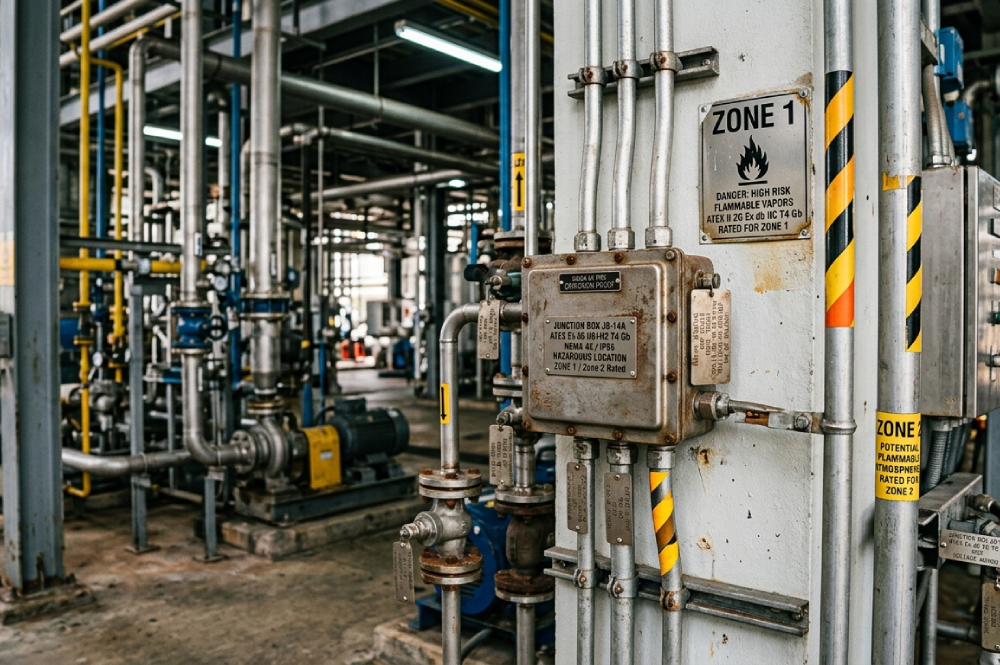
Hazardous Area Classification (HAC) is a fundamental process safety study used to identify and categorize areas where flammable gases, vapors, or combustible dusts may form explosive atmospheres. Accurate classification is essential to ensure that electrical and mechanical equipment installed within these zones are designed and certified to prevent ignition. PNA Risk Management performs comprehensive hazardous […]